



What Homeowners Should Know About Roof Replacement
A roof replacement is one of the most important improvements you can make to your home. Your roof protects your family, belongings, and property from rain, wind, heat, and other weather conditions. Understanding the replacement process can help you make a better decision and avoid unexpected problems.
When Should You Replace Your Roof?
Not every roofing problem requires a complete replacement. Small leaks or isolated damage may sometimes be repaired. However, replacement may be the better option when:
Your roof is approaching the end of its expected lifespan.
Shingles are missing, cracked, curling, or losing granules.
You have recurring roof leaks.
The roof has widespread wind or storm damage.
The decking underneath the shingles is damaged or rotten.
Repairs are becoming frequent and expensive.
An experienced roofing contractor can inspect the roof and explain whether a repair or full replacement makes more sense.
What Happens During a Roof Replacement?
The process normally begins with an inspection and detailed estimate. Once the project is scheduled, the roofing crew will remove the old roofing materials and inspect the roof decking underneath.
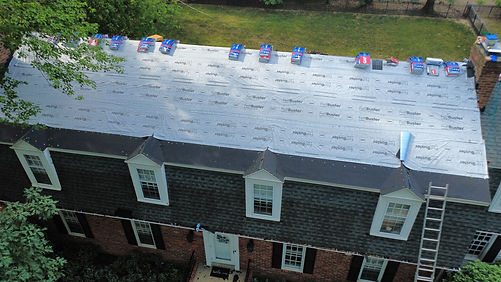
Any damaged wood should be replaced before the new roofing system is installed. The contractor will then install important components such as:
Drip edge
Underlayment
Ice and water protection where needed
Starter shingles
New shingles
Pipe flashings
Roof vents
Ridge cap shingles
These components work together to create a complete roofing system. Proper installation is just as important as the quality of the shingles.
How Long Does Roof Replacement Take?
Most residential roof replacements can be completed in one to three days. The exact timeline depends on the size and complexity of the roof, weather conditions, material availability, and whether damaged decking is discovered.
Your contractor should explain the expected timeline before the project begins and keep you informed if anything changes.
How Much Does a New Roof Cost?
Roof replacement costs vary based on several factors, including:
Roof size
Roof pitch
Number of roof sections
Type of shingles or roofing material
Amount of old material being removed
Condition of the roof decking
Flashing and ventilation requirements
Labor and disposal costs
A professional estimate should clearly explain the materials, labor, warranties, and scope of work included in the price. Be careful with estimates that are significantly lower than others, as important materials or installation steps may be missing.
Can Insurance Pay for a Roof Replacement?
Homeowners insurance may cover a roof replacement when the damage was caused by a covered event, such as wind, hail, or a fallen tree. Insurance typically does not cover normal aging, wear and tear, poor maintenance, or pre-existing damage.
A roofing contractor can document visible damage and provide information about the condition of the roof. However, the insurance company makes the final decision about coverage.
How Should You Choose a Roofing Contractor?
Before hiring a contractor, confirm that the company is properly licensed and insured. You should also review:
Local customer reviews
Workmanship warranty
Manufacturer warranty
Written scope of work
Payment terms
Project timeline
Cleanup procedures
Avoid contractors who pressure you to sign immediately or who cannot clearly explain what is included in the project.

Final Thoughts
Replacing your roof is a major investment, but it can improve your home’s protection, appearance, energy efficiency, and value. The best way to start is with a professional roof inspection.
If you believe your roof may need replacement, Storm Shield Roofing LLC can inspect its condition, explain your options, and provide a detailed estimate for your home.


Comments